
Recipe For Collapse: Rising Military & Social Welfare Spending
By Tyler Durden
Submitted by Charles Hugh-Smith of OfTwoMinds blog,
Leaders faced with unrest, rising demands and dwindling coffers always debauch their currency as the politically expedient “solution.”
Whatever you think of former Fed chair Alan Greenspan, he is one of the few public voices identifying runaway entitlement costs as a structural threat to the economy and nation. We can summarize Greenspan's comments very succinctly: there is no free lunch. The more money that is siphoned off for entitlements, the less there is for investment needed to maintain productivity gains that are the foundation of future income generation: Greenspan: Worried About Inflation, Says “Entitlements Crowding Out Investment, Productivity is Dead” (via Mish)
Many people look to the rising costs of the U.S. military as the structural problem, and they have a point: there is no upper limit on military spending, and the demands (by the civilian leadership of the nation) on the services and the Pentagon's demands for new weaponry are constantly pushing budgets higher.
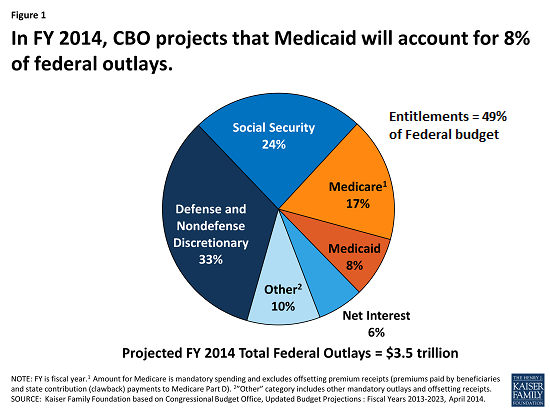
But the truth is entitlement spending now dwarfs military spending: entitlements are more than $1.75 trillion, half of all Federal spending, while the Pentagon, VA, etc. costs around $700 billion annually.
We have a model for what happens when military and social welfare spending exceed the state's resources to pay the rising costs: the state/empire collapses. The Western Roman Empire offers an excellent example of this dynamic.
As pressures along the Empire's borders rose, Rome did not have enough tax revenues to fully fund the army. Hired mercenaries had become a significant part of the Roman army, and if they weren't paid, then the spoils of war became their default pay.
This erosion of steady pay also eroded the troops' loyalty to Rome; their loyalties switched to their commanders, who often decided to take his loyal army to Italy and declare himself Emperor.
Meanwhile, the costs of free bread and other foodstuffs and public entertainments (bread and circuses) exhausted the Imperial coffers. Originally intended to alleviate the suffering of the poor, the free bread program had expanded from feeding 40,000 citizens of Rome in 71 B.C. to 320,000 under Augustus–roughly one-third of the entire populace of Rome. (The free bread was by then augmented by free cooking oil and other goodies.)
(Source: page 85, Food in History)
Costly entertainments such as bloody gladiator fights that had once been staged on rare public holidays were commonplace by the late Empire, another drain on the state coffers.
Like all states under financial pressure, the Empire devalued its currency as a means of stretching sagging resources. A measure of wheat that cost 6 drachmas in the first century A.D. cost two million drachmas after 344 A.D.
How's that for inflation?
Today, we face the same crunch: the costs of entitlements are outracing the economy's ability to fund them. Entitlements already consume half the federal budget:
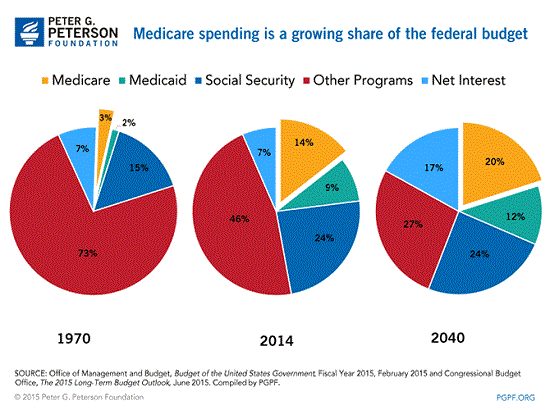
This is up from 20% in 1970. Going forward, they will only consumer more.
In …read more
Source: Recipe For Collapse: Rising Military & Social Welfare Spending


