Le Pen Presidential Campaign Threatened By Russian Bank Failure
By Tyler Durden

A problem has emerged for France’s anti-immigrant, anti-Euro presidential frontrunner, Marine Le Pen, and it has little to do with being behind in the polls ahead of the 2017 presidential elections, far from it. It has, however, everything to do with something far simpler: money, as the National Front leader is suddenly struggling to raise the €20 million ($21 million) she needs to fund the French presidential and legislative campaigns in 2017 after the party’s Russian lender failed, the party treasurer said.
This past July, the Central Bank of Russia revoked the license of the National Front’s Moscow-based lender First Czech Russian Bank OOO and Le Pen’s party has still to find another backer, according to treasurer Wallerand de Saint Just. Saint Just said he’s seeking international financiers in countries including Russia because French banks have refused to fund his party.
In a phone interview with Bloomberg, Saint Just said that “the loss of the FCRB was a hard blow for us” adding that “the Russia loan was a stable resource. Now we are still searching for loans.”
And, since a Le Pen victory threatens to be the final straw that crushes the European establishment camel, it is no surprise that no existing financial organizations are willing to provide her with the funds she may need to crush them.
Last week, the French Le Parisian reported that a U.S. investment bank was preparing to lend the party $20 million in August, but pulled the plug on the deal at the last minute.
Le Pen’s ties with Russia have come under scrutiny in recent weeks amid reports that the CIA “concluded” that Putin directed hackers to buoy the candidacy of Donald Trump in the U.S. Le Pen is running second in the race to become France’s next president and is openly supportive of Putin’s military operations in Syria. The now defunct Russian bank lent the National Front €9 million in 2014. In the same year, party founder Jean-Marie Le Pen’s political fund Cotelec received another 2 million-euro loan from a Russian-backed fund based in Cyprus, news website Mediapart reported. Saint Just said Cotelec helped fund the party’s 2015 regional campaign.
Realizing which way the “Putin conspiracy theory” winds blow, Le Pen knows she wouldn’t have any problem in getting a Russian loan but, according to Bloomberg, she has decided the risks outweigh the benefits because she’d be hounded for this by the French media, said Sergei Markov, a political consultant to the Kremlin administration. “Le Pen doesn’t want to endanger her chances,” Markov said by phone. While Russia sees the conservative candidate Francois Fillon as a strong presidential contender, it also doesn’t rule out a far-right victory, he said.
Meanwhile, Le Pen is surviving on a modest grassroots campaign, having raised some money from followers and the party has some reserves it can draw on, Saint Just said, without giving any figures. “In these funding matters you have to remain discreet,” he said. “No figures, no names.”
Of course, should Le Pen proceed to …read more
Source: Le Pen Presidential Campaign Threatened By Russian Bank Failure



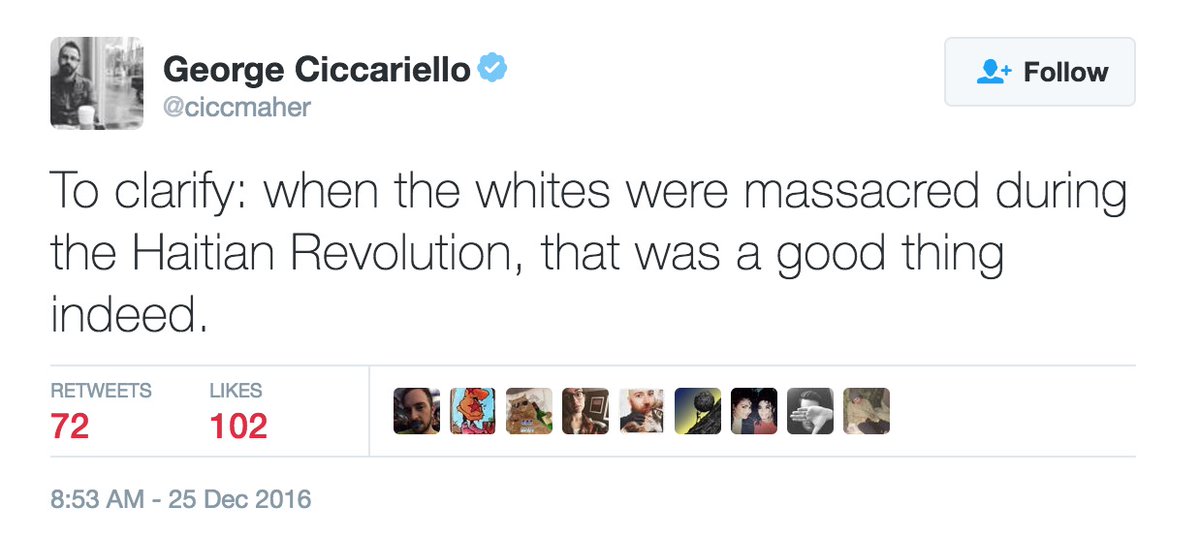
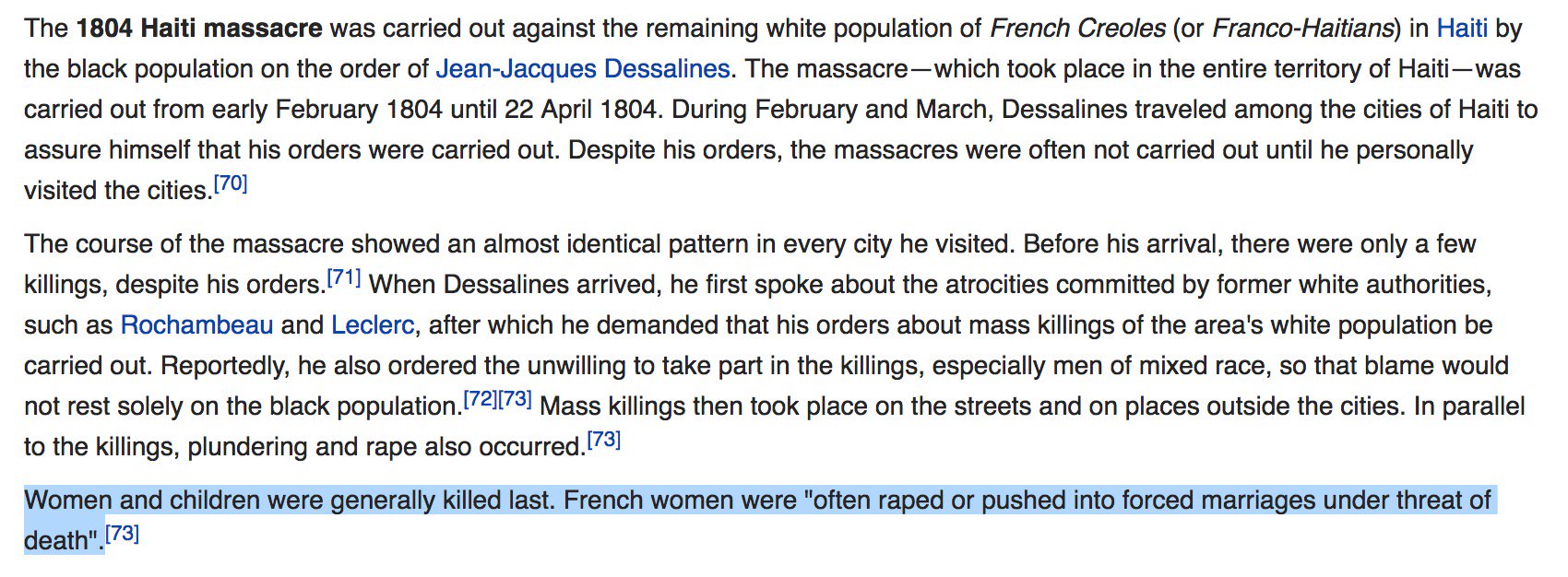

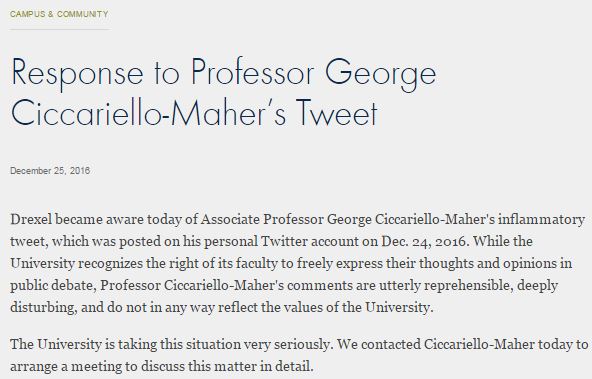
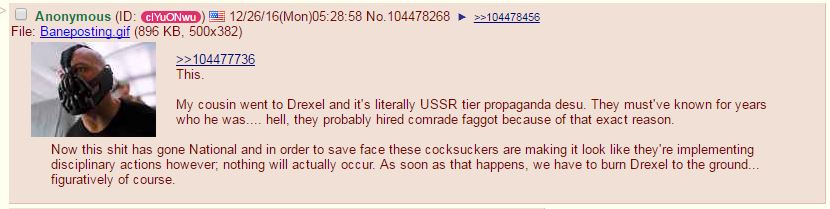
 People like Ciccariello-Maher exist to indoctrinate adult children into a reactionary class of morons who hear a trigger word and start regurgitating information without even moderate